
The Science of Cooking and Its Nutritional Impact
Cooking is not just a form of art; it is also a science. Understanding the chemical reactions that occur during cooking can help you create delicious and nutritious meals. Additionally, cooking methods can impact the nutritional content of food. Let's delve into the science behind cooking and its nutritional implications.
Maillard Reaction: The Magic of Browning
One of the most famous chemical reactions in cooking is the Maillard reaction. This reaction occurs when proteins and sugars in food are exposed to heat, resulting in the browning of the food's surface. The Maillard reaction is responsible for the delicious flavors and aromas of roasted coffee, grilled meats, and baked bread.

Cooking Methods and Nutrition
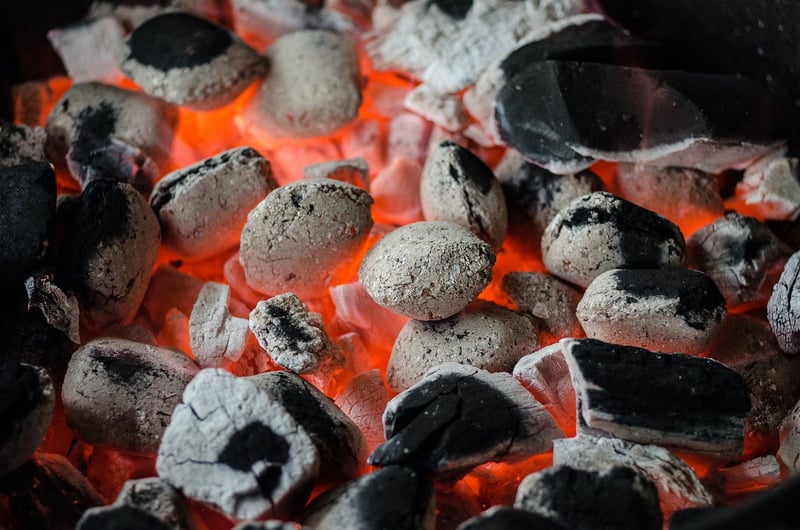
The way you cook your food can significantly affect its nutritional value. For example, boiling vegetables can cause water-soluble vitamins like vitamin C to leach into the water. On the other hand, steaming or microwaving vegetables can help retain more nutrients. Grilling or roasting meats can lead to the formation of potentially harmful compounds like heterocyclic amines (HCAs) and polycyclic aromatic hydrocarbons (PAHs).
Healthy Cooking Tips
- Opt for cooking methods like steaming, baking, or sautéing instead of frying.
- Use herbs and spices to add flavor without relying on excessive salt or sugar.
- Try marinating meats before grilling to reduce the formation of HCAs.
- Include a variety of colorful fruits and vegetables in your meals to maximize nutrient intake.
Conclusion
By understanding the science of cooking and its nutritional impact, you can make informed choices about how you prepare your meals. Experiment with different cooking methods and ingredients to create delicious, healthy dishes that nourish your body and tantalize your taste buds.
Remember, cooking is not just about satisfying hunger; it's also about feeding your body with the nutrients it needs to thrive.